The struggle
Stop guessing what skills to put on a resume
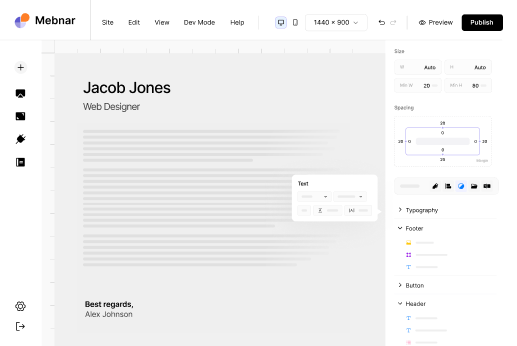
Manual editing
Broken layouts waste hours
generic templates
Missing ATS keywords
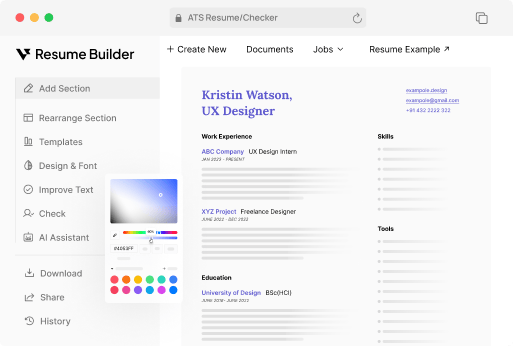
AI resume builder
Increase interview invites by 40%
Professional writing
Auto formatting
How it works
From best font for resume to ATS score — your resume, perfected
AI writing
Share your thoughts, and let our AI optimize the language for you


Customizable templates
Professional template that highlights your strengths
ATS optimized
Highlight key skills and experience to pass resume screening
Free tools
Powerful tools to land your dream job
Interview made easy
Explore specialized tools for every interview stage


Answer
AI Interview Copilot
Instant, personalized, actionable support during live interviews
Explore the AI Interview CopilotCoding Interview Copilot
Get real-time optimized code solutions during live technical interviews
Learn moreQuestion 2
You
Every language
AI Resume Builder for every language
Build a polished, ATS-ready resume in your language — powered by AI.
FAQ
Resume questions, answered
What is the purpose of a resume?
A resume has one job: to get you to the next step. It is not a full work history — it is a targeted argument that you are qualified for a specific role. A well-written resume passes ATS filters, gives whoever reads it a clear reason to reach out, and filters in the right opportunities by matching what hiring managers are scanning for. Think of it less like a biography and more like a brief case for why you are worth a conversation.
How to write a summary for a resume?
Keep it to 2–3 lines and lead with your most relevant credential or result — your title, years of experience, and the kind of impact you drive. Skip soft-skill clichés like "passionate" or "results-oriented" and write like a person, not a job posting. Tailor it to each role by pulling keywords directly from the job description. The summary should answer the question "why this person, for this role, right now" in the time it takes to read two sentences.
Should resumes be one page?
The one-page rule is a myth for experienced candidates. It applies most strongly to recent grads and early-career job seekers. If you genuinely have 10+ years of relevant experience, cramming it into one page can actually hurt you by hiding your track record. Two pages is standard and accepted. What matters is that every line adds value — not that you hit a specific page count.
How many skills to list on resume?
There is no magic number, but 8–15 skills in a dedicated section is a healthy range for most roles. Prioritize skills that are directly relevant to the job you are applying for and that you could genuinely speak to in an interview. Listing 30+ skills often dilutes the section and signals padding. Think of your skills section as a highlight reel, not an exhaustive inventory.
How to add LinkedIn to resume?
Before you add it, customize your LinkedIn URL: go to your profile, click Edit public profile & URL, and set a clean slug like linkedin.com/in/yourname. Then add the URL to your resume's contact header, alongside your email and phone number. Spell it out as plain text so it works in both digital and printed versions. Make sure your LinkedIn profile is up to date and consistent with your resume before sending — recruiters do click through.
Should I include my address on a resume?
Full street addresses are outdated and unnecessary on modern resumes. Include your city and state — or city and country if applying internationally — which tells employers enough to assess commute or relocation without giving away personal information. If you are open to remote work, you can note that instead of or alongside your location. Phone number, email, and LinkedIn URL are the contact details that actually matter.
How many references should you have on a resume?
Do not put references on your resume itself — that space is better used for achievements. When an employer specifically requests references, prepare 3–4 people: former managers carry the most weight, followed by senior colleagues, clients, or professors who can speak directly to your work. Always ask permission before listing someone, and give them a heads-up with context about the role so they can speak to what matters most.
How to make a resume with no work experience?
Focus on what you do have: internships, freelance or contract work, class projects, volunteer experience, extracurriculars, and certifications. Open with a strong summary that frames what you bring to the role. Use a skills section tailored to the job description. Write bullet points for any project — even personal ones — using action verbs and any results you can quantify. ATS systems care about keywords, not job titles, so matching the language of the posting matters more than your years of experience.