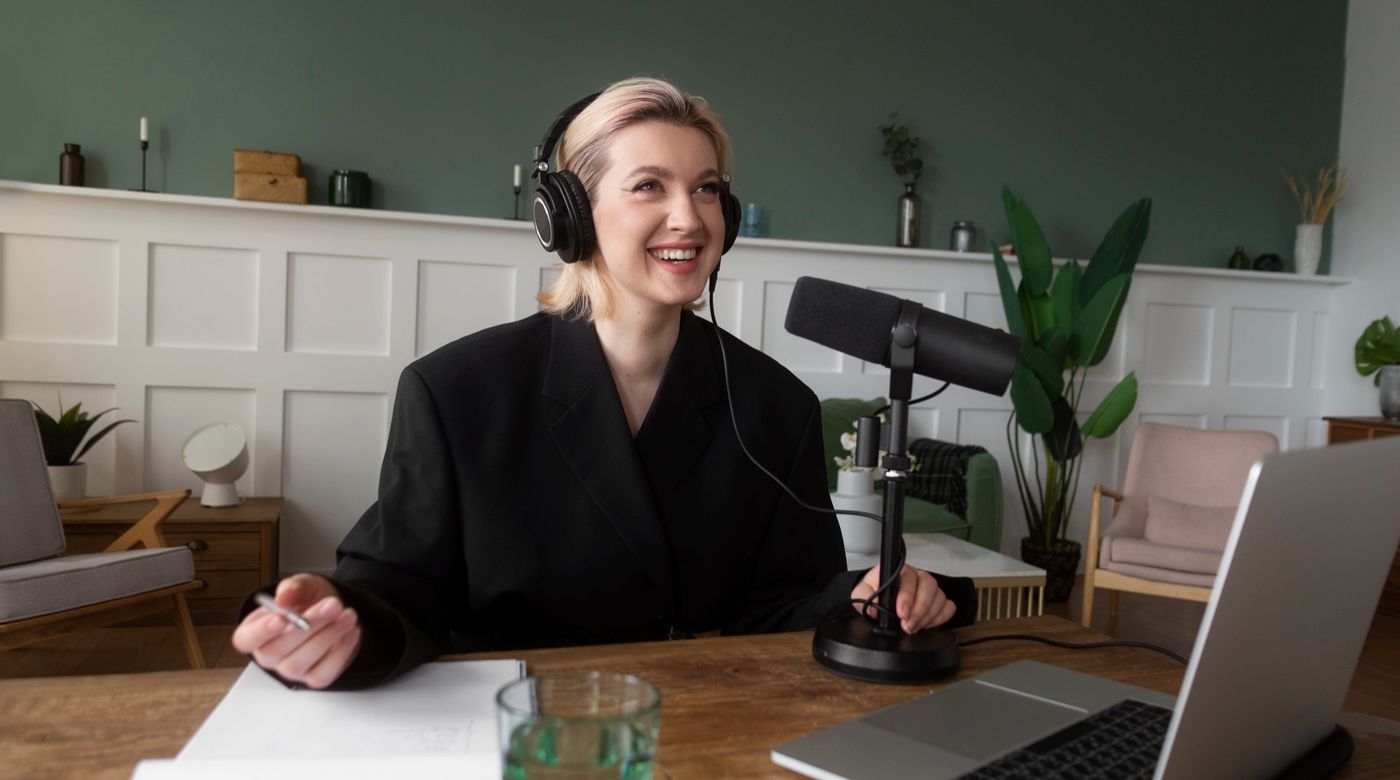
Discover insider truths about careers at Make-A-Wish: roles, hiring tips, culture, and growth opportunities.
Landing a role, donor meeting, or college spot often comes down to more than skills and grades — it’s about the story you bring. The "make a wish careers" approach is a simple but powerful communication technique: state your deepest professional wish clearly, connect it to the organization’s mission, and deliver it with authentic emotion and composure. This guide walks you from definition to practice, with real examples, scripts, and follow-up tactics so you can turn sincere passion into measurable interview wins.
Key sources and further reading include advice on what makes candidates shine at Make‑A‑Wish and what real hiring processes look like Verve Interview advice, role expectations and alignment tips Verve hiring guide, organizational mission context at Make‑A‑Wish careers, and hiring timelines and interview experiences from employee reports Indeed insights.
What is the make a wish careers approach in professional communication
The "make a wish careers" approach means articulating a concise, authentic career wish — a personal mission statement you deliver in high‑stakes conversations like interviews, sales calls, or college panels. It’s not a rehearsed slogan but a 30–90 second narrative that answers: what do you most want to accomplish, why it matters personally, and how you will create impact for the organization.
Why this matters
- It demonstrates authentic passion rather than checklist answers. Verve notes how genuine mission fit stands out.
- It signals emotional intelligence: you can express empathy and purpose without being overwhelmed.
- It gives interviewers a memorable anchor they can repeat to stakeholders in later rounds.
Core elements of a "wish" statement
- Specific aspiration: the precise impact you want (e.g., "connect donors to stories that fund life‑changing wishes").
- Personal connection: why this matters to you (brief anecdote or value).
- Organizational fit: tie to the employer’s mission or metrics (e.g., increasing volunteer engagement, improving donor retention). Cite concrete mission language from the employer to show research effort Make‑A‑Wish careers.
Why does make a wish careers shine in interviews and high pressure scenarios
High‑pressure scenarios reward clarity, composure, and memorability — all strengths of a well‑crafted "make a wish careers" pitch.
Why it works in interviews and calls
- Rapport and emotional connection: Hiring teams assessing fit want to know you care deeply about outcomes, not just tasks. Real stories move people. See how organizations value mission alignment in candidate evaluation Verve hiring guide.
- Flexibility across stages: A short wish fits an HR screen; an expanded version fuels manager and leadership rounds focused on impact and strategy. Indeed reports show Make‑A‑Wish interviews often span multiple rounds, so prepare versions of your wish for each stage Indeed interviews.
- Differentiation in donor or admissions settings: Applicants who can connect personal mission to organizational mission persuade stakeholders more effectively.
Psychological benefits
- Reduces pressure: having a go‑to, honest answer reduces anxiety and keeps you from defaulting to vague platitudes.
- Builds storytelling rhythm: repeated, slightly tailored delivery sharpens authenticity without becoming robotic.
What common interview and communication challenges does make a wish careers solve
Candidates face predictable pitfalls; the "make a wish careers" technique directly addresses them.
Challenge: sounding rehearsed or inauthentic
- Problem: generic, checkbox answers.
- Make a wish careers fix: craft a personal touch (small anecdote, why it matters), practice for natural delivery, not rote recitation. Verve guidance emphasizes personal connections as a differentiator Verve advice.
Challenge: handling emotional topics without losing composure
- Problem: interviews covering sensitive missions (e.g., children’s health) can trigger heavy emotion.
- Make a wish careers fix: use emotional intelligence — brief context + controlled reflection + focus on impact. Practice STAR responses that include empathetic framing.
Challenge: demonstrating mission alignment
- Problem: failing to connect skills to organizational goals.
- Make a wish careers fix: explicitly map your wish to the organization's mission and concrete outcomes (volunteer growth, donor retention, program expansion). Reference org mission language from their careers page Make‑A‑Wish careers.
Challenge: navigating multi‑stage processes
- Problem: different interviewers probe different dimensions (HR, manager, leadership).
- Make a wish careers fix: design three versions of your wish — elevator (30s), interview (1–2 min), leadership (3–5 min with metrics and strategy). Indeed’s timeline reporting shows hiring can take time and multiple rounds, so plan continuity across steps Indeed hiring timeline.
Challenge: post‑interaction uncertainty
- Problem: long waits and no follow up dim your momentum.
- Make a wish careers fix: send a timely, personalized note that reiterates your wish and references the conversation to keep fit top of mind Verve follow‑up guidance.
How do you prepare and deliver your make a wish careers story step by step
A concise playbook to craft and deliver a high‑impact wish.
Step 1 Research deeply (15–45 minutes per application)
- Study the organization’s mission, recent programs, and language on the careers page Make‑A‑Wish careers. Note metrics or priorities (donor growth, volunteer engagement, program reach).
Step 2 Craft your core wish (10–30 minutes)
- Template: "My career wish is to [specific impact], because [personal connection], and I plan to deliver that by [how you’ll help]."
- Example: "My career wish is to connect generous donors with stories that fund life‑changing wishes, because volunteering at a wish reveal showed me how one experience transforms whole families. I’ll do that by improving storytelling and donor stewardship to increase year‑over‑year funding."
Step 3 Prepare three versions
- Elevator: 30 seconds — simple, heartfelt.
- Interview: 1–2 minutes — STAR elements and a small anecdote.
- Leadership: 3–5 minutes — metrics, strategy, and scalability.
Step 4 Map to question types
- Mission-related: Frame your wish against the organization's goals. Example answer: "Like Make‑A‑Wish, my wish is to turn hardship into hope by scaling donor engagement so more wishes can be granted" Verve mission fit.
- Interpersonal: Use STAR + empathy. Example: "When a volunteer was hesitant, I listened, validated, and matched them to a role. The result was renewed commitment and a successful event."
- Technical: Connect your skills to outcomes: "My CRM experience will help segment donors to boost retention and fund more wishes."
Step 5 Rehearse for authenticity
- Practice out loud, record yourself, and revise until the story feels true rather than memorized. Use variations so phrasing stays fresh.
Step 6 Deliver with controlled emotion
- Maintain eye contact, steady pacing, and a gentle inflection to convey sincerity. Short pauses after key lines let emotion land without overwhelming the listener.
Step 7 Follow up to reinforce the wish
- Send a thank‑you within 24 hours: restate your wish in one sentence, reference a part of the interview, and affirm fit. Follow up politely after 1–2 weeks if you haven’t heard back Verve follow‑up guidance.
What are real world examples of make a wish careers stories from non profit and similar settings
Examples adapt easily to sales calls, admissions, and service roles.
Example 1 — Nonprofit direct service role
- Elevator: "My wish is to create joyful, memorable experiences for kids and families during challenging times."
- Interview expansion: brief story about a volunteer reveal, outcomes (smiles, community donations), and a specific idea: "I’d scale volunteer training to ensure every reveal produces consistent impact."
Example 2 — Fundraising or sales call
- Pitch opener: "My wish is to help donors see the human story behind every gift so they invest in lasting hope."
- Tactical tie: highlight donor segmentation improvements or a campaign example that raised funds for more wishes.
Example 3 — College interview
- Answer to "Why this school": "My wish is to build a nonprofit communications career; your program’s experiential labs will let me test donor storytelling strategies before graduation." Mention a specific professor or lab from the school to show research.
Example 4 — Corporate role with mission alignment
- "My wish is to apply product management skills to platforms that connect resources to people in need, improving access and outcomes." Link to company CSR or impact product.
Use these templates, then customize language and metrics to match the employer’s stated priorities from their careers or annual report pages Make‑A‑Wish careers.
What follow up strategies work best after using make a wish careers in an interaction
Follow up seals the emotional and intellectual case you made in the conversation.
Immediate thank you (within 24 hours)
- Keep it short: 2–3 sentences. Reiterate your one‑sentence wish, mention a memorable part of the conversation, and reaffirm fit. Example: "Thank you for discussing volunteer strategy today. My wish is to scale volunteer training so every reveal becomes a community touchstone. I’d welcome the chance to contribute."
Second touch (1–2 weeks)
- Add value: share a relevant article, a 1‑page idea, or a brief metric from your past work that supports your wish. This shows initiative and keeps your mission visible.
Longer timeline touch (3–4 weeks or after a decision)
- If still interested, a polite check‑in reiterates enthusiasm. If you get the role, share a short plan for how you’ll begin delivering on your wish.
Tone and cadence
- Be concise, specific, and helpful. Avoid repeating the same note; each follow up should add context or value. Verve guidance underscores reinforcing fit and reiterating mission alignment during follow up communications Verve follow‑up guidance.
What tools and practice tips help you gain confidence with make a wish careers
Practical techniques to rehearse and refine delivery.
1. Use recording tools
- Record video and audio of your 30s and 1–2 min versions. Note filler words and emotional peaks; refine until your voice sounds natural.
2. Mock interviews and role plays
- Practice with friends, mentors, or volunteer interviewers. Recreate HR screens, manager deep dives, and leadership rounds. Indeed interview insights recommend preparing for multiple rounds Indeed interviews.
3. Feedback loops
- Solicit targeted feedback: was the wish clear? Did the story feel authentic? Did they remember it after 24 hours?
4. Use AI for rehearsal
- Get real‑time feedback on tone, pacing, and filler words. Tools that simulate interviewer questions and provide suggestions can speed preparation.
5. Micro‑practice for emotional control
- Practice breathing, controlled pausing, and short reframing phrases to keep emotion productive (e.g., "What motivates me most is…").
6. Documentation
- Keep a one‑page "wish brief" for each application: your 30s wish, a 1–2 min story, relevant metrics, and follow‑up ideas.
How can Verve AI Copilot help you with make a wish careers
Verve AI Interview Copilot can be a practical rehearsal partner for anyone using the make a wish careers technique. Verve AI Interview Copilot simulates interviewers, offers real‑time feedback on your tone and phrase choices, and helps you shape 30‑second to multi‑minute versions of your wish so they sound authentic, not scripted. Use Verve AI Interview Copilot for role plays, get personalized prompts for mission alignment, and refine follow‑up messages — start practicing at https://vervecopilot.com
What are the most common questions about make a wish careers
Q: How long should my make a wish careers statement be A: Keep an elevator version at 30s and a full interview version at 1–2 minutes
Q: How do I avoid sounding rehearsed with make a wish careers A: Use small spontaneous details and vary phrasing each time you practice
Q: Can make a wish careers work in sales or donor calls A: Yes, frame the wish around donor impact and concrete outcomes
Q: How soon should I follow up after using make a wish careers A: Send a thank you within 24 hours and a value add after 1–2 weeks
Q: What if the interviewer asks a technical question during my make a wish careers pitch A: Briefly answer with one metric, then tie back to your wish and strategy
Final notes
- The make a wish careers approach is not about theatrical emotion — it’s about focused authenticity. Do your homework, craft a concise wish, rehearse with purpose, and follow up with value. When mission alignment matters, your sincere wish becomes the bridge between your talents and the organization’s impact.
Kevin Durand
Career Strategist